The quick answer
In New Jersey, homeowners typically plan their pool closing after the regular swimming season ends and before prolonged freezing conditions arrive. The best date and closing steps vary with the pool, equipment, cover, water condition, and local weather, so booking early and getting pool-specific advice is the safest approach.
When should you close a pool in New Jersey?
There is no single calendar date that fits every pool. In New Jersey, closing season generally falls in the early-to-late fall window. Families often choose a date once the pool is no longer in regular use, while keeping local weather and the condition of their equipment in mind.
What matters most is planning ahead. Seasonal appointments can fill quickly, especially when the first cool weeks arrive. If your pool has a heater, unusual water loss, a damaged cover, or equipment that has been acting up, it is worth mentioning when you request service so the visit can be scoped appropriately.
What can a professional pool closing include?
A good closing visit is more than putting a cover over the water. Exact work depends on the design of the pool and its equipment, but a professional may assess the water, prepare circulation components for the off-season, and make sure the cover plan fits the pool.
- Water and surface check: looking at the visible condition of the water and clearing obvious debris before the cover goes on.
- Equipment-specific preparation: reviewing pumps, filters, lines, and accessories according to the pool’s configuration.
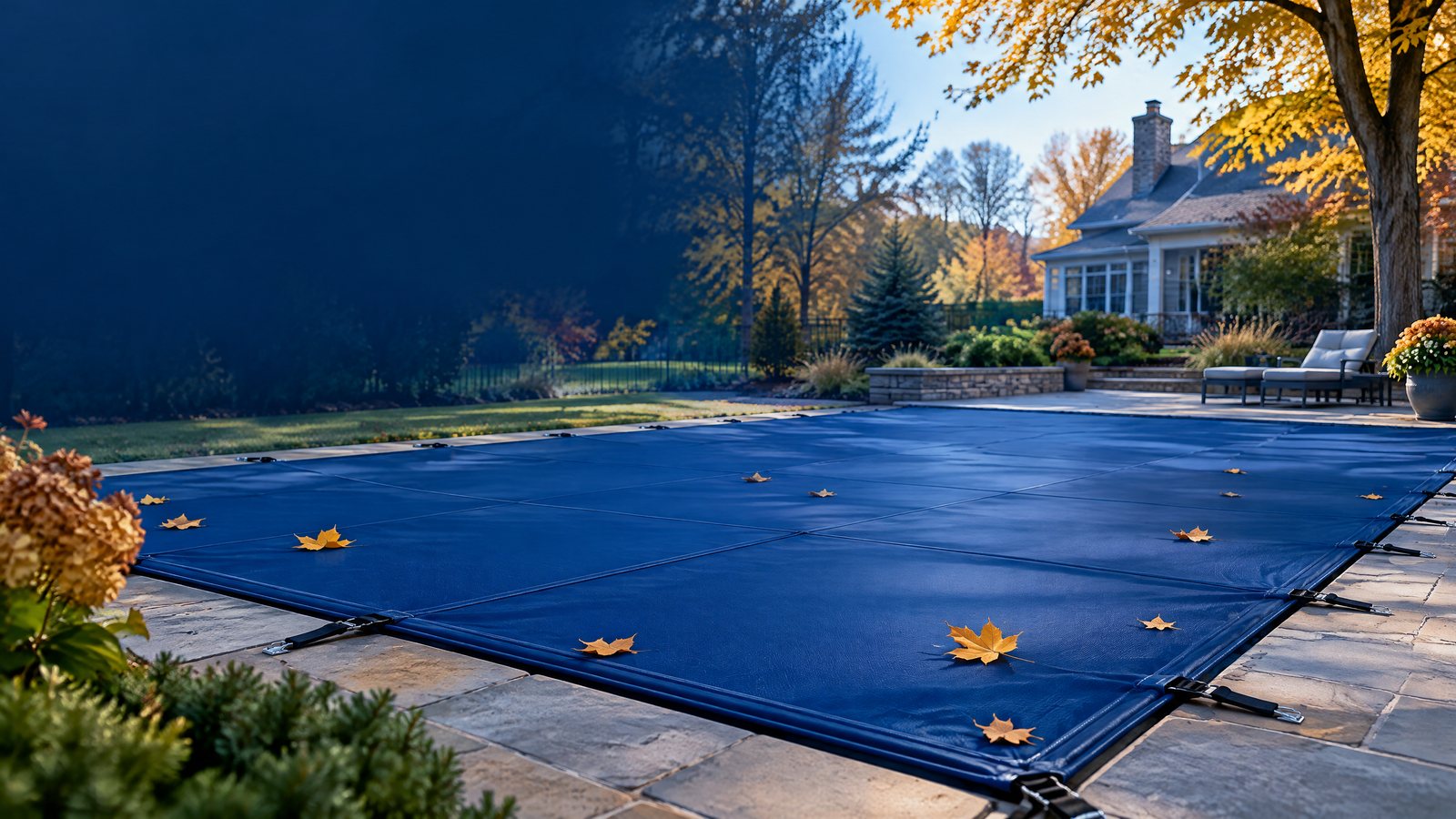
- Cover planning: fitting and securing the selected cover in a way that matches the pool and the cover system.
- Clear next steps: pointing out issues that may deserve attention now, during winter, or before spring opening.
Important: Never assume two pools need the same closing procedure. Above-ground and in-ground pools, heater and pump configurations, cover systems, water features, and equipment age can all change the right approach.
How to prepare before a pool closing appointment
A little preparation gives the service visit more room to focus on your pool rather than access problems or avoidable clutter. If a contractor is coming, make the gate, equipment pad, and cover storage area easy to reach. If you have noticed a leak, a noisy pump, a torn cover, or unusual water condition, make a quick note to share at the start of the visit.
- Remove toys, loose furniture, and anything that blocks access to the pool edge or equipment.
- Let the provider know about equipment changes, leaks, or cover concerns before the appointment.
- Have the cover, hardware, and any equipment-specific materials available if they are stored separately.
- Keep pets indoors and make sure gates are unlocked for the appointment window.
Why closing correctly matters
A well-planned closing helps set up a calmer opening season. It gives you a chance to handle obvious maintenance concerns before winter, protect components in the way that fits the system, and avoid discovering a surprise only after the first warm weekend of spring.
Closing is also part of year-round pool care, not a separate chore. A pool that receives regular cleaning, water testing, and equipment attention through the season is generally easier to evaluate before the cover goes on. For the in-season side of the routine, see our New Jersey pool maintenance guide.
Do you need a professional pool closing service?
Some experienced owners prefer to handle parts of their own pool care. A professional can be useful when you want a second set of eyes on equipment, a closing plan tailored to a specific pool, help with a cover system, or a clearer picture of what should be addressed before winter.
Panda Pool Services provides seasonal pool openings and closings, along with weekly cleaning, water testing and chemical balancing, and equipment care for residential pools across New Jersey. A free visit is the best way to discuss your setup and get a straightforward quote.
Quick answers
Pool closing FAQ
Short answers to questions New Jersey homeowners ask before scheduling a seasonal closing.
When should I close my pool in New Jersey?
Many homeowners close in early-to-late fall after regular use ends and before sustained freezing weather. Your pool, equipment, cover, and local conditions determine the best date, so schedule early and ask for pool-specific advice.
What does a professional pool closing include?
It can include a water and surface review, equipment-specific off-season preparation, and a cover plan. Confirm the exact scope because it varies by pool type, equipment, and cover system.
How long does a pool closing take?
Time varies with pool size, access, equipment, cover condition, water condition, and any issues found during the visit. A provider can estimate more accurately after learning about your setup.
Can I just shock my pool to close it?
No. Water chemistry is only one part of seasonal preparation. Equipment, cover fit, water level, and the details of the pool system also matter.